

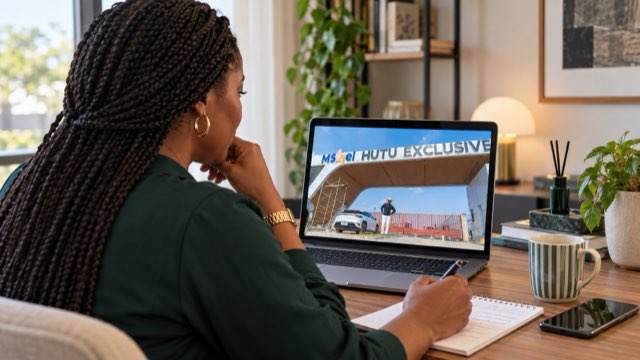
Buying Property in Abuja From Abroad: 10 Mistakes Nigerians in the Diaspora Should Avoid
Buying property from abroad can work well, but distance makes it easier to miss important details. Here are 10 mistakes diaspora buyers should avoid before sending money.
By Amaka Okorie, Hutu Exclusive Property Advisor · Updated: September 2026

Buying property in Abuja while you live abroad can feel strangely easy at the beginning. Someone sends you pictures. You join a video call. A price sheet arrives on WhatsApp. You are told a plot is available, a promotion is ending or the next price increase is close, and suddenly a decision involving millions of naira is happening through your phone.
The distance itself is not the biggest problem. The bigger risk is making a decision with less evidence than you would demand if you were standing in Abuja yourself.
Nigeria received about US$21.3 billion in personal remittances in 2024 according to World Bank data. That number is not a measure of property spending, but it shows the scale of money Nigerians abroad continue to send home. When part of that money is going into property, the process deserves more than trust, screenshots and urgency.
I work with buyers who cannot always be in Abuja during the purchase process, and the mistakes I worry about are rarely complicated. They are usually simple things done in the wrong order: choosing before verifying, paying before confirming, confusing a master plan with current development, or assuming somebody else will keep the records after the money has moved.
Here are 10 mistakes I would avoid if I were buying property in Abuja from abroad, whether you are considering Hutu Exclusive or another development in the FCT.
The rule I would use
Distance should make your evidence trail stronger, not weaker. If you cannot be physically present, replace that presence with current site evidence, written property details, independent checks where needed, official payment instructions and organised records.
The 10 mistakes at a glance
The 10 mistakes at a glance
| Mistake | Why it matters | Better approach |
|---|---|---|
| 1. Buying before defining your goal | You can choose a property that does not fit how or when you plan to use it | Start with purpose, budget and timeline |
| 2. Choosing from photos or renders alone | Marketing imagery can hide access, current infrastructure and surrounding conditions | Inspect physically or virtually |
| 3. Verifying the estate but not the exact property | A real development can still have outdated price, phase or availability information | Confirm the exact option in writing |
| 4. Sending money before verifying the payment channel | A genuine deal can still go wrong if funds go to the wrong beneficiary | Match bank details to official transaction instructions |
| 5. Skipping independent legal/title review when you need it | Documents can look official without being understood | Use a qualified Nigerian property lawyer where appropriate |
| 6. Treating planned amenities as completed | You may price the property around a future vision rather than today’s reality | Separate master plan from current site progress |
| 7. Looking only at purchase price | Fees and instalment obligations can change affordability | Understand total disclosed cost and cash flow |
| 8. Buying the cheapest or biggest option by default | Price or size alone does not determine suitability | Compare property type, phase, use and timeline |
| 9. Letting someone else own the transaction records | You may struggle to reconstruct payments, documents and milestones later | Keep your own organised file |
| 10. Buying on guaranteed-return assumptions | Appreciation, rent and resale are not guaranteed | Buy based on the property and evidence you can assess today |
Mistake 1: Buying before you are clear about what you want the property to do
A buyer abroad can become focused on securing something in Nigeria and forget to define what “something” should actually be. Land to hold for ten years is a different purchase from land you hope to build on soon. A future family home is different from an apartment you want to rent out. A commercial property requires a different set of questions again.
Before comparing estates, write down your purpose, realistic budget, preferred property type and timeline. That simple step makes it much easier to reject options that look attractive but do not fit your plan.
When I speak with a diaspora buyer, I would rather understand why they are buying before recommending a phase or property. Otherwise the conversation can become price-led instead of decision-led.
Mistake 2: Choosing a property from photos, renders or a short video alone
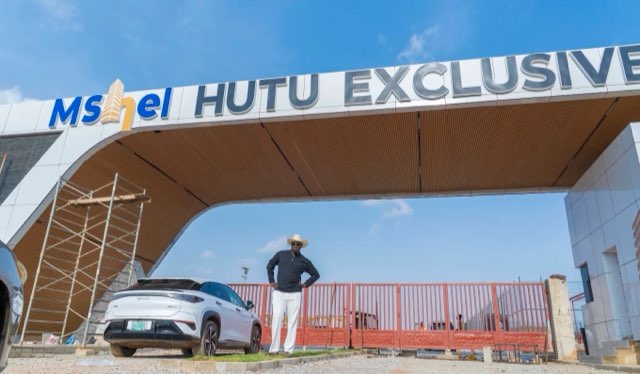
Pictures are useful for discovery. They are not enough for a purchase decision.
A render can show the intended future. A tightly framed video can show the most attractive part of a site. Neither tells you everything about the route, roads, drainage, surrounding development, current construction or the condition of the exact phase you are considering.
If you cannot travel to Abuja, arrange a proper virtual inspection. Ask to see the approach, estate entrance, route to the phase, road condition, visible infrastructure, neighbouring plots and whatever is being represented as already completed.
For a practical remote-inspection checklist, read Virtual Site Inspections for Hutu Exclusive: What Diaspora Buyers Should Ask to See.
Buying from abroad?
Mistake 3: Verifying the estate but not the exact property you are paying for
One of the easiest mistakes to make is proving to yourself that a developer or estate exists and then assuming every advert, price or property option connected to that name must also be current.
Before payment, confirm the exact development, phase, property type, plot size or unit, current price, payment plan, starting amount, applicable fees and availability in writing.
This matters in any estate with multiple phases or property types. Old adverts and price sheets can continue circulating long after a particular offer has changed.
Verify the transaction, not only the brand
A real developer and a real estate do not automatically make every forwarded price sheet, bank detail or property description current. Verification has to reach the exact transaction you are about to enter.
Mistake 4: Sending money before you have verified who should receive it
For a diaspora buyer, bank details can arrive through the same WhatsApp thread as site pictures and casual conversation. That can make the payment instruction feel less important than it is.
Before sending a large property payment, confirm the beneficiary against the official transaction information. If bank details change unexpectedly, pause and verify them again.
For Hutu Exclusive purchases through me, the property purchase money goes directly through the appropriate Mshel Homes company payment channel for the transaction. Buyers do not send the purchase price to my personal bank account.
Mistake 5: Skipping independent legal or title verification when you need it
Not every buyer needs to personally become an expert in Nigerian land documentation. But if you do not understand the documents you are relying on, the solution is not to guess.
For property in the FCT, Abuja Geographic Information Systems (AGIS) states that its services include property search and verification of land records. It also publishes information about its legal-search process. In practice, a diaspora buyer may find it easier to instruct an independent Nigerian property lawyer to review the relevant documents, conduct or coordinate the appropriate searches and explain the result.
Company verification is also a separate check. Nigeria’s Corporate Affairs Commission (CAC) provides a public company-search service for confirming registration information. A CAC search verifies the company; it does not verify the land.
Official sources: CAC company search • AGIS services • AGIS legal search
For the Hutu-specific process, read How to Verify Hutu Exclusive Property From Abroad Before You Pay.
Mistake 6: Treating the master plan as though it is the current site
A master plan explains what a development is intended to become. It is not a list of everything you should expect to see completed during today’s inspection.
This is especially easy to forget when you are abroad because your first impression of an estate may come from renders, brochures or launch videos. Those materials can be useful, but they should be separated from current site evidence.
Ask three different questions: What is completed? What is under development? What is still planned? If a particular amenity matters to your buying decision, ask for its current status rather than assuming it exists because it appears in the master plan.
Mistake 7: Looking only at the advertised purchase price
An advertised price tells you what the property costs. It does not always tell you what the transaction will require from your cash flow over the next several months.
Ask for the payment plan, deposit, instalment dates and all applicable disclosed charges before you commit. If you are paying from a foreign currency account, also think about how exchange-rate movements could affect later instalments. You do not need to predict the naira; you do need enough margin in your plan that one currency movement does not suddenly make the next payment difficult.
A property that is technically within your total budget can still be a poor fit if the payment schedule is too aggressive.
Mistake 8: Assuming the cheapest plot or the biggest plot must be the smartest choice
Diaspora buyers sometimes arrive with one simple instruction: find me the cheapest entry. Others do the opposite and assume that buying the largest plot they can afford is automatically the better long-term decision.
Neither rule works on its own. Plot size, phase, property type, payment timeline, development stage and intended use all matter.
If you are buying land, think about what you may eventually build, the estate’s development controls and how much property you actually want to maintain. If you are choosing between phases, compare the entry price with the development stage and the type of property available there.
Useful comparisons: 150sqm vs 250sqm vs 500sqm: How Much Land Do You Actually Need? and Hutu Exclusive Phase 1 & 2 vs Phase 3 vs Phase 5.
Mistake 9: Letting the agent, developer or family member be the only person with the records
A remote transaction can generate a surprising amount of information: price sheets, forms, payment instructions, transfer confirmations, receipts, allocation documents, inspection videos and WhatsApp conversations.
Keep your own organised record. Do not assume you will always be able to find an old message or that another person will remember which payment related to which instalment.
I recommend a simple folder with subfolders for property details, inspections, documents, payments and allocation. If you are paying in instalments, keep a one-page schedule showing what you have paid, what remains and the next due date.
Mistake 10: Buying because somebody promised what the property will be worth later
Emerging Abuja corridors can change significantly over time, and that possibility is one reason buyers look at developing areas. But future appreciation should be treated as a possibility, not a guaranteed outcome.
The same applies to rent and resale. A development may have characteristics you believe will support future demand, but no serious buying decision should depend entirely on a promised percentage return or a future resale price somebody cannot guarantee today.
I would rather see a buyer choose a property that makes sense at the current price, with a developer and location they have examined, than choose purely because they were told the property must double in value.
What I would want a diaspora buyer to know before paying for any Abuja property
- The full development and exact property I am buying are clear.
- I know why I am buying and how soon I expect to use the property.
- I have current pricing, payment-plan and fee information.
- I have seen the site myself or through a useful recent virtual inspection.
- I understand what is complete, under development and still planned.
- I have reviewed the relevant documents and used an independent lawyer if I need legal/title verification.
- I have verified the payment beneficiary before transferring money.
- I know what receipt, acknowledgement, document or allocation step comes next after payment.
- I am keeping my own transaction records.
- My decision still makes sense without assuming guaranteed appreciation or rental income.
If several answers are still “I’m not sure”
That does not automatically mean the property is a bad purchase. It means you still have questions to resolve before your money moves. Good property advice should make the transaction clearer, not simply make you feel more urgent.
Where Hutu Exclusive fits into this conversation
Hutu Exclusive is one Abuja development where I can help buyers apply these checks in a structured way because I work directly with the estate’s current property options and buyers.
For someone abroad, that can include comparing the phases, confirming current prices and payment options, arranging a virtual inspection, helping organise property information and documentation, coordinating questions, following up after payment and arranging independent legal verification where requested.
That support does not remove the buyer from the process. My preference is the opposite: you should remain involved in every important decision even if you are thousands of kilometres away.
Start with the full process in Can You Buy Hutu Exclusive From Abroad? A Step-by-Step Guide for Nigerians in the Diaspora.
Considering Hutu Exclusive?
Frequently asked questions
Can I buy property in Abuja while living outside Nigeria?+
Yes. Many parts of the process can be handled remotely, including property comparison, virtual inspection, document review, payment and follow-up. The important thing is to replace physical presence with clear evidence and organised verification.
Should I use a family member to buy property for me in Nigeria?+
You can involve someone you trust, but you do not have to hand over the entire transaction to a relative. You should still receive the property information, documents, payment instructions and records yourself.
How do I verify a developer in Nigeria?+
Nigeria’s Corporate Affairs Commission provides company-search services that can help confirm registration information. This is a company check; it does not replace property or land/title verification.
How do I verify land or title in Abuja?+
AGIS provides FCT property-search and land-record verification services. Depending on the transaction, an independent Nigerian property lawyer can review the documents and handle or coordinate the relevant search for you.
Should I pay an Abuja property agent directly?+
That depends on the transaction. For developer property, confirm the official payment instructions and beneficiary for the specific purchase before transferring money. For Hutu Exclusive purchases through Amaka, the property purchase money goes directly through the appropriate Mshel Homes company payment channel, not Amaka’s personal account.
Is a virtual inspection enough before buying?+
It is useful for understanding access, site condition and visible development, but it does not replace company, document/title or payment verification.
Is buying property in Abuja from abroad risky?+
Any property purchase involves risk. Distance can add information gaps, but many of those gaps can be reduced through current site evidence, written property details, independent checks, official payment channels and good record-keeping.
What should I ask before sending money?+
At minimum, confirm the exact property, price, payment plan, disclosed fees, current availability, site condition, relevant documents, payment beneficiary and what you should receive after payment.
Buying from abroad does not have to mean buying blindly
The biggest advantage you can give yourself as a diaspora buyer is not finding the “perfect” estate first. It is having a repeatable way to judge whatever property you are shown.
Know what you want. Inspect what can be seen. Verify what cannot be established by a video. Pay through the correct channel. Keep your own records. And make the decision based on what is true today rather than what somebody promises will happen tomorrow.
If Hutu Exclusive is one of the Abuja properties you are considering, I can help you compare the current options and organise the remote buying process without taking the decision out of your hands.
About the author

Amaka Okorie
Hutu Exclusive Property Advisor
Amaka Okorie is a Hutu Exclusive Property Advisor based in Abuja. Since Hutu Exclusive launched in 2024, she has helped more than 20 clients navigate the estate and handled more than ₦500 million in Hutu Exclusive property sales. She supports local and diaspora buyers with property comparisons, physical and virtual inspections, documentation and allocation follow-up. HutuExclusive.com is independently operated and is not the official Mshel Homes website; property purchase payments go directly to the developer through the appropriate company payment channels.